
Beyond the Handshake: A Leadership Guide to
Building Trust in Mexico City
A practical guide for international executives seeking to build trust, influence, and lasting business relationships in Mexico’s economic capital.
By Warren Carter & Salvador Elizaga
For many multinational organizations, Mexico City serves as the strategic gateway to Latin America. It is home to corporate headquarters, financial institutions, multinational regional offices, government agencies, family-owned conglomerates, private equity firms, and some of the country’s most influential business leaders.
Yet many executives arriving from abroad make one critical mistake, they assume that business culture in Mexico City is representative of all of Mexico. It is not.
Mexico is one of the most culturally diverse countries in the world, and the business culture of Mexico City is unique. Understanding the nuances of the Chilango, a term commonly associated with people from Mexico City, can significantly improve communication, accelerate trust, and strengthen executive relationships.
While every individual is different, there are broad cultural tendencies that international executives should understand before walking into the boardroom.
Understanding the Chilango
Historically, the word Chilango was used by people outside Mexico City to describe residents of the capital, sometimes with a negative connotation. Today, many Mexico City residents have embraced the term as a source of civic identity and pride.
The modern Chilango is often characterized by references such as these:
- Highly educated and globally connected
- Comfortable navigating complexity
- Fast-paced and adaptable
- Politically and economically informed
- Entrepreneurial
- Direct when necessary, but relationship-oriented
- Proud of Mexico City’s culture, history, and global importance
Because Mexico City has long been the political, financial, academic, and commercial center of the country, executives there often work with international organizations daily. Many are bilingual or multilingual and are accustomed to interacting with senior leaders from around the world.
However, familiarity with international business should never be mistaken for a preference for impersonal business relationships. Relationships still matter.
 Mexico City Is Not the Rest of Mexico
International executives should avoid assuming that management styles successful in Monterrey, Guadalajara, Tijuana, Mérida, or Querétaro will automatically translate to Mexico City. Each region has distinct business traditions.
Compared with many northern industrial cities, Mexico City executives often place greater emphasis on:
- Building credibility before making significant decisions
- Understanding political and economic implications
- Consensus among key stakeholders
- Executive presence
- Long-term partnerships over transactional relationships
The pace may appear fast, but important decisions often involve extensive consultation behind the scenes.
Patience should never be confused with indecision.
Universal Principles for Success in Mexico City
Regardless of where executives come from, several principles consistently help establish credibility.
Understand the Local Concept of Time
 International executives are often surprised to discover that the concept of time in Mexico City can be more elastic than in many Northern European or North American business cultures. While punctuality is appreciated, and you should always arrive on time for meetings, the day’s schedule may evolve as priorities shift, conversations run longer than expected, or unexpected opportunities arise.
One of the best-known examples is the word “ahorita.” Although it literally translates to “right now,” in practice it can mean anything from “in a few minutes” to “later today,” depending on the context.
Rather than interpreting this as a lack of urgency, view it as a reflection of a relationship-oriented culture that often places greater value on resolving the matter at hand than rigidly adhering to the clock. The most effective international executives maintain high standards for their own punctuality while allowing enough flexibility in their expectations to adapt to the rhythm of business in Mexico City.
We recommend scheduling extra time between meetings whenever possible. Mexico City’s traffic, combined with the relationship-driven nature of executive discussions, means that meetings frequently run longer than planned. Building flexibility into your schedule demonstrates professionalism and reduces unnecessary frustration.
Invest in Relationships
Business is conducted between organizations. Trust is built between people. Taking time for conversation before discussing commercial matters is not wasted time, it is often where the real relationship begins.
Respect Hierarchy
While organizations may operate collaboratively, titles and seniority generally carry importance. Know who the decision-makers are. Treat executive assistants, department heads, and influential advisors with equal professionalism.
Demonstrate Cultural Curiosity
Nothing creates rapport faster than genuine interest. Ask thoughtful questions about:
- Mexico City’s economic growth
- Mexican innovation
- Local industries
- Food and culture
- Family traditions
- Sports
- Current business opportunities
Avoid stereotypes or assumptions.
Be Professionally Prepared
Mexico City executives generally appreciate:
- Well-organized meetings
- Thorough data
- Clear recommendations
- Professional presentation materials
- Strategic thinking
Preparation communicates respect.
Understand That Business Is Personal
Long-term business relationships frequently extend beyond conference rooms. Business meals, coffee meetings, and informal conversations often play an important role in developing mutual confidence.
 In Mexico City, the business breakfast and business lunch are more than convenient opportunities to eat while discussing work, they are longstanding corporate institutions. Meetings at well-known restaurants, private clubs, and iconic hotels often serve as important settings for building trust, exchanging information, strengthening alliances, and advancing decisions that may not move as easily in a formal conference room.
A breakfast can set the tone for a new relationship, while a long lunch may create the space needed to discuss sensitive issues, assess personal chemistry, or develop consensus among senior leaders. International executives should not treat these invitations as peripheral social events or attempt to rush directly into the agenda. The setting, pace, and personal conversation are often part of the business process itself.
Pro Tip: Accept meal invitations whenever your schedule allows, arrive prepared but not overly scripted, and let your host guide the transition from personal conversation to business. In Mexico City, the relationship developed across the table can be just as influential as the proposal placed on it.
The Indirect “No”
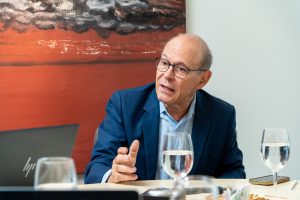 Foreign executives can sometimes misinterpret politeness as agreement when doing business in Mexico City. In a relationship-oriented culture where preserving dignity and avoiding unnecessary confrontation are important, executives may be reluctant to deliver a direct “no.” Instead, phrases such as “we’ll see,” “let me review it,” “perhaps later,” or “we should discuss it internally” may signal hesitation, limited interest, or a courteous refusal rather than a genuine commitment to move forward.
This does not indicate dishonesty or indecision. It often reflects a communication style intended to preserve the relationship and avoid placing either party in an uncomfortable position. International leaders should therefore listen not only to the words being used, but also to tone, specificity, follow-through, and whether a clear next step has been established.
In such instances, we would encourage learning to read between the lines without forcing an immediate answer. A response that lacks a specific date, responsible party, or agreed next action may be an indirect “no.” Rather than pressing for a more direct rejection, ask a respectful clarifying question such as, “What would need to happen for us to move this forward?” The answer will often reveal whether the opportunity is viable while allowing everyone involved to preserve goodwill.
How Executives from Different Regions Can Best Prepare
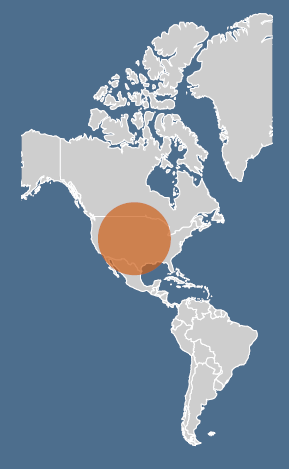
United States
American executives often bring:
- Speed
- Decisiveness
- Results orientation
- Direct communication
These are valuable strengths. However, U.S. executives sometimes underestimate how important relationship-building is before major negotiations.
Recommendations
- Slow the pace slightly.
- Invest time in personal conversations.
- Avoid appearing overly transactional.
- Explain decisions rather than simply announcing them.
- Be patient if consensus takes longer than expected.
The objective is not to become less decisive, but to demonstrate that relationships matter as much as results.
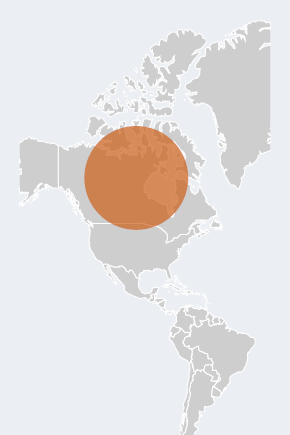
Canada
Canadian executives generally transition well because they often combine professionalism with diplomacy. Their collaborative leadership style is usually well received.
Recommendations
- Continue emphasizing consensus.
- Demonstrate humility.
- Be willing to spend additional time developing relationships.
- Show genuine curiosity about Mexican perspectives rather than assuming North American similarities.
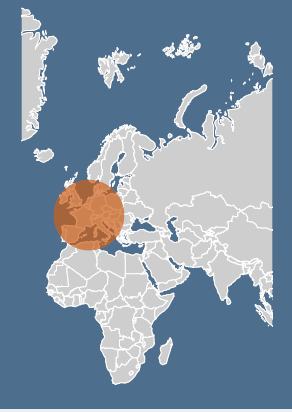
Europe
Europe represents many business cultures to include German, Dutch, Scandinavian, French, Italian, Spanish, and the British with each bringing different leadership traditions.
Collectively, many European executives are respected for:
- Strategic thinking
- Technical expertise
- Long-term planning
Potential challenges arise when communication styles become either too formal or too blunt.
Recommendations
- Balance structure with warmth.
- Avoid excessive criticism during initial meetings.
- Build personal rapport before addressing sensitive issues.
- Recognize that flexibility is often valued alongside planning.
Middle East
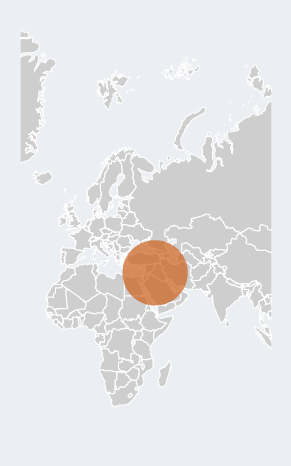
Executives from the Gulf states and broader Middle East often understand relationship-driven business environments exceptionally well.
Many similarities exist regarding:
- Respect
- Hospitality
- Seniority
- Long-term trust
These shared values often create strong executive chemistry.
Recommendations
- Invest time in relationship-building.
- Demonstrate respect for organizational hierarchy.
- Be patient during negotiations.
- Avoid creating unnecessary urgency.
Many Mexico City executives appreciate leaders who value loyalty and long-term partnerships.
Africa
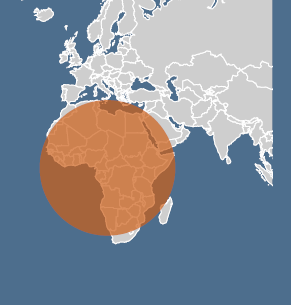
Africa encompasses dozens of distinct business cultures, but many executives bring strengths that resonate well in Mexico City, including adaptability, relationship orientation, and experience operating in dynamic markets.
Recommendations
- Share experiences managing complexity and growth.
- Focus on partnership rather than competition.
- Invest in executive-level networking.
- Demonstrate flexibility and resilience.
These qualities often align well with Mexico City’s entrepreneurial business environment.
Asia-Pacific
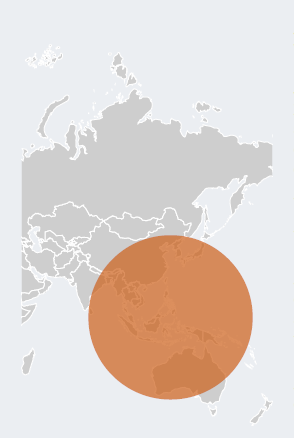
While “Asia-Pacific” or APAC is a useful geographic label, it is certainly not a single business culture. Executives from Japan, India, China, South Korea, Singapore, Australia, New Zealand, and Southeast Asia may arrive in Mexico City with substantially different expectations regarding hierarchy, consensus, directness, relationship-building, negotiation, and decision-making.
A Japanese executive may recognize Mexico City’s respect for hierarchy and indirect communication, yet may need to adjust to a warmer, more personal, and less procedurally structured business environment.
An Indian executive may be comfortable with relationship-driven commerce, organizational hierarchy, and flexible schedules, but should avoid assuming that familiarity with these dynamics eliminates the need to understand distinctly Mexican expressions of status, trust, and courtesy.
Australian and New Zealand leaders, whose business cultures often favor informality, directness, and relatively egalitarian interaction, may need to adopt greater formality at the outset and allow more time for personal credibility to develop.
Executives from highly internationalized centers such as Singapore may be experienced in adapting across cultures, but should still resist approaching Mexico City through a generic emerging-market or regional framework.
The most effective approach is to identify which aspects of one’s home-country leadership style will transfer well and which must be recalibrated for Mexico City’s particular combination of hierarchy, warmth, indirect communication, and relationship-based trust.
Recommendations
- Balance professionalism with personal engagement.
- Be willing to discuss broader business topics before negotiations.
- Demonstrate openness rather than relying exclusively on formal processes.
- Encourage dialogue rather than assuming silence equals agreement.
Mexico City executives generally appreciate collaborative conversations over rigid presentations.
Common Mistakes International Leaders Should Avoid
Some behaviors consistently create friction regardless of nationality:
- Assuming all of Mexico shares the same business culture.
- Focusing exclusively on price before value.
- Rushing relationship development.
- Criticizing Mexican institutions or politics in early conversations.
- Comparing Mexico unfavorably with another country.
- Assuming English proficiency instead of asking.
- Interrupting senior executives.
- Overlooking the influence of family-owned enterprises, even among large organizations.
Small Gestures That Leave a Lasting Impression
Positive impressions are often created through simple acts of respect:
- Learn a few professional greetings in Spanish.
- Pronounce names correctly.
- Arrive prepared and on time, while recognizing that traffic in Mexico City can affect schedules.
- Acknowledge the accomplishments of the organization.
- Follow up promptly after meetings.
- Show appreciation for hospitality.
- Take an interest in the city’s history, architecture, cuisine, and innovation.
Authenticity matters more than perfection.
Leadership Begins with Cultural Intelligence
Successful international leadership is no longer defined solely by technical expertise or operational excellence.
It increasingly depends on cultural intelligence—the ability to understand how leadership is experienced across different societies.
Mexico City is one of the world’s great business capitals. Its executives combine global sophistication with a strong appreciation for personal relationships, trust, and long-term collaboration.
Organizations that invest in understanding the unique business culture of the Chilango are better positioned to build stronger partnerships, negotiate more effectively, and lead more successfully throughout Mexico.
For global executives, cultural awareness is not simply a matter of etiquette.
It is a competitive advantage.
At The ExeQfind Group and The QualiFind Group, we have spent decades helping organizations bridge cultures while identifying exceptional leadership and professional talent across Mexico, the United States, and international markets. We believe that successful executive search extends beyond finding outstanding leaders, it also means helping organizations understand the cultural dynamics that enable those leaders to thrive.
About the Authors
Salvador Elizaga
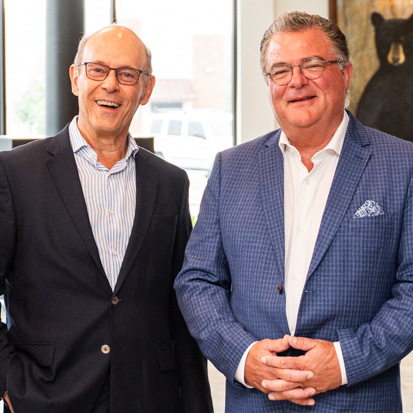
Salvador Elizaga is our Senior Managing Partner in Mexico City. Salvador has more than 30 years of experience in executive search and assessment supporting both international and domestic organizations with senior leadership talent.
Salvador can be reached at: selizaga@exeqfindgroup.com
Warren Carter
Warren Carter is our Senior Managing Partner and a member of our Board of Directors in Atlanta. Warren’s 30+ year career in executive search includes search assignments in Mexico City as well as across Latin America.
Warren can be reached at: wcarter@exeqfindgroup.com